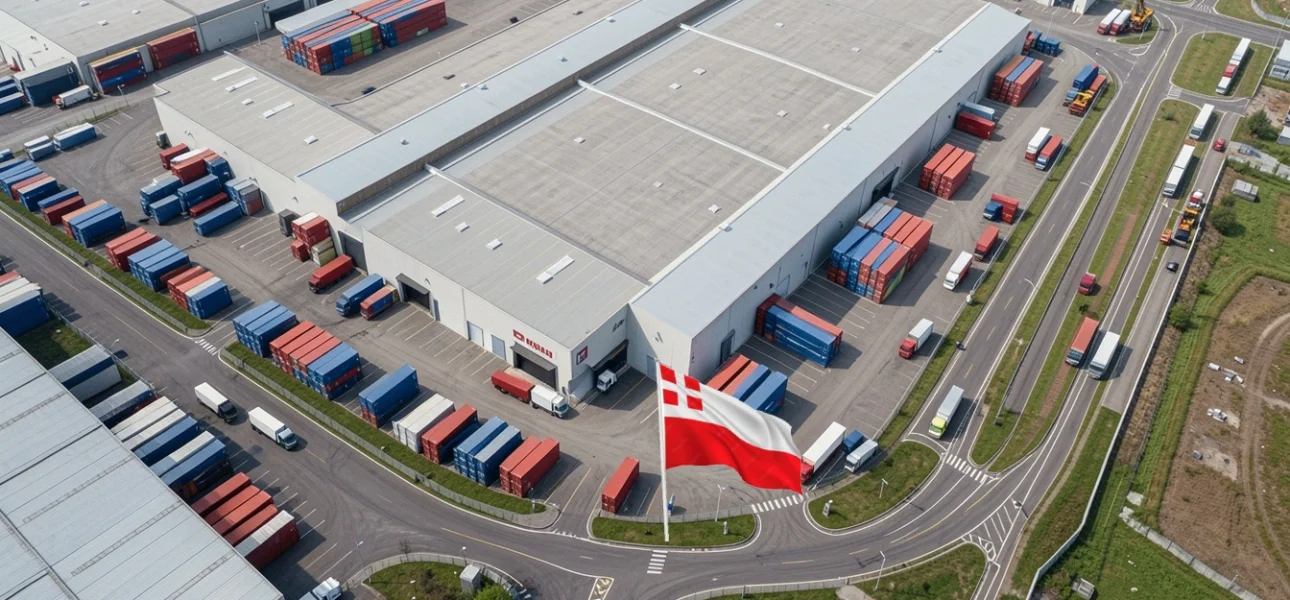
The Netherlands has long been recognized as one of Europe’s strongest logistics gateways, but in recent years, Utrecht has emerged as one of the country’s most strategically important logistics regions. Positioned at the heart of the Netherlands, Utrecht connects major Dutch cities, industrial corridors, ports, and consumer markets with exceptional efficiency.
For logistics operators, industrial occupiers, and investors, Utrecht is no longer simply a “central location.” It has become a core part of national and pan-European distribution strategies.
As e-commerce demand rises, supply chains evolve, and occupiers seek operational resilience, logistics real estate in Utrecht continues to attract significant institutional attention across the Netherlands and wider Europe.
Why Utrecht Is Strategically Important for Logistics
Utrecht sits directly within the Dutch Randstad region and benefits from immediate access to key transportation routes including:
- A2 motorway connecting Amsterdam and Eindhoven
- A12 corridor linking Rotterdam to Germany
- A27 route supporting north-south freight movement
- Strong rail and inland shipping connectivity
- Access to major consumer populations within hours
From Utrecht, businesses can efficiently serve:
- Amsterdam
- Rotterdam
- The Hague
- Eindhoven
- Germany’s Ruhr region
- Belgium and wider Benelux markets
The broader Utrecht-Tiel-Geldermalsen logistics corridor is also becoming increasingly important for regional warehousing, distribution efficiency, and industrial developments due to its strong highway connectivity and central positioning within the Netherlands.
This central positioning makes Utrecht highly attractive for:
- National distribution centers
- Urban logistics hubs
- E-commerce fulfillment operations
- Manufacturing supply chains
- Built-to-suit developments
For many occupiers, Utrecht offers the operational advantage of reaching large consumer populations while reducing transportation inefficiencies and delivery times.
Local Logistics Clusters Driving Demand
Several logistics and industrial zones in Utrecht have seen growing demand from both occupiers and investors.
Lage Weide
One of the Netherlands’ largest industrial and logistics areas, Lage Weide continues to attract warehousing, manufacturing, and distribution businesses due to:
- direct highway access
- multimodal infrastructure
- and proximity to urban consumer markets
Proostwetering
The Proostwetering logistics cluster has become increasingly important for modern logistics real estate and institutional-grade warehouse assets. The area offers strong accessibility and long-term occupier demand for high-quality industrial space.
Utrecht Science & Innovation Ecosystem
Utrecht’s broader economic ecosystem also supports logistics growth. The city benefits from:
- a highly educated workforce
- strong healthcare and life sciences sectors
- advanced infrastructure
- and growing technology-driven logistics demand
This combination strengthens Utrecht’s position as a future-focused industrial and logistics market.
The Rise of Modern Logistics Real Estate in Utrecht
Across Europe, logistics real estate has evolved from a purely operational requirement into a strategic investment sector.
Occupiers today are looking for:
- ESG-compliant warehouses
- automation-ready facilities
- energy-efficient industrial buildings
- and flexible distribution infrastructure
As a result, Utrecht has seen increased activity around:
- industrial developments
- logistics asset acquisitions
- and built-to-suit developments
Modern occupiers are increasingly prioritizing facilities that support:
- automation and robotics
- employee accessibility
- sustainable operations
- and scalable long-term growth
This trend is particularly visible in the Netherlands, where land scarcity and permitting challenges continue to limit new logistics supply.
Why Sale and Leaseback Activity Is Increasing
One of the biggest trends within the Dutch logistics real estate sector is the continued growth of sale and leaseback structures.
Many owner-occupiers across the Netherlands are reassessing how capital is tied up in operational real estate. Instead of holding large amounts of capital within industrial assets, businesses are increasingly exploring:
- industrial sale and leaseback transactions
- logistics asset acquisitions
- and strategic capital investment solutions
These structures allow occupiers to:
- unlock capital
- improve liquidity
- invest back into operations
- expand production capacity
- or strengthen balance sheets while continuing to operate
- from the same mission-critical facilities
For investors, industrial sale and leaseback transactions provide:
- stable long-term income
- operationally important real estate
- and strong tenant alignment
This trend has accelerated across Europe as businesses seek flexibility amid changing financing conditions, supply chain restructuring, and operational expansion.
Utrecht’s Role in European Supply Chain Strategies
Utrecht’s logistics importance extends well beyond the Netherlands.
As companies redesign supply chains across Europe, centrally located Dutch logistics hubs are becoming increasingly important for:
- inventory positioning
- regional distribution
- and last-mile fulfillment strategies
Many logistics operators now prioritize resilience over pure cost efficiency. This includes:
- maintaining inventory closer to customers
- diversifying logistics operations
- and strengthening regional warehousing networks
Utrecht supports these strategies exceptionally well due to its:
- geographic centrality
- infrastructure quality
- labor accessibility
- and connectivity to major European markets
For pan-European logistics operations, Utrecht often acts as a bridge between:
- Dutch ports
- German industrial regions
- and wider Western European consumer markets
RENEW Real Estate’s Focus on Logistics Investment Solutions
Within this evolving logistics landscape, RENEW Real Estate continues to grow as a direct investor in Dutch logistics real estate, backed by substantial, flexible capital while buying alongside institutional partners.
The firm focuses on:
- logistics real estate investments
- industrial sale and leaseback structures
- logistics asset acquisitions
- built-to-suit developments
- and strategic capital investment solutions
RENEW Real Estate is a direct investor and capital partner, buying logistics real estate assets for its own portfolio as well as for institutional capital partners.
The company has been involved in several logistics and industrial projects across the Netherlands , including investments within Utrecht’s logistics market. One example includes the acquisition of a modern logistics facility within the Proostwetering logistics cluster, secured as part of a long-term income-focused investment strategy.
This reflects a broader trend across the Dutch market where institutional investors increasingly target:
- mission-critical industrial assets
- modern distribution facilities
- and long-term logistics real estate opportunities
The Future of Utrecht Logistics Real Estate
Looking ahead, Utrecht is expected to remain one of the Netherlands’ most important logistics regions.
Key market drivers include:
- continued e-commerce growth
- nearshoring trends
- supply chain resilience strategies
- sustainability requirements
- and limited logistics land availability
As occupiers and investors continue prioritizing centrality, efficiency, and operational resilience, Utrecht’s role within Dutch and European logistics strategies is likely to strengthen even further.
For logistics operators, industrial occupiers, and investors alike, Utrecht represents more than a centrally located city. It has become a strategic logistics platform supporting the future of industrial real estate across the Netherlands and Europe.