RENEW Real Estate

Waarom Regionale Nederlandse Steden Terrein Winnen in Gebruikers Gedreven Logistieke Beslissingen

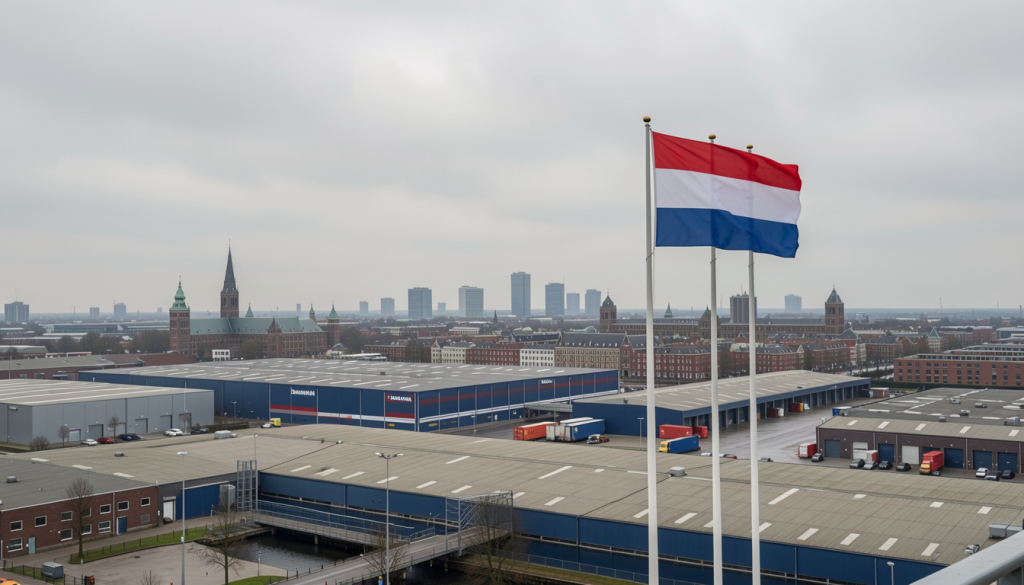
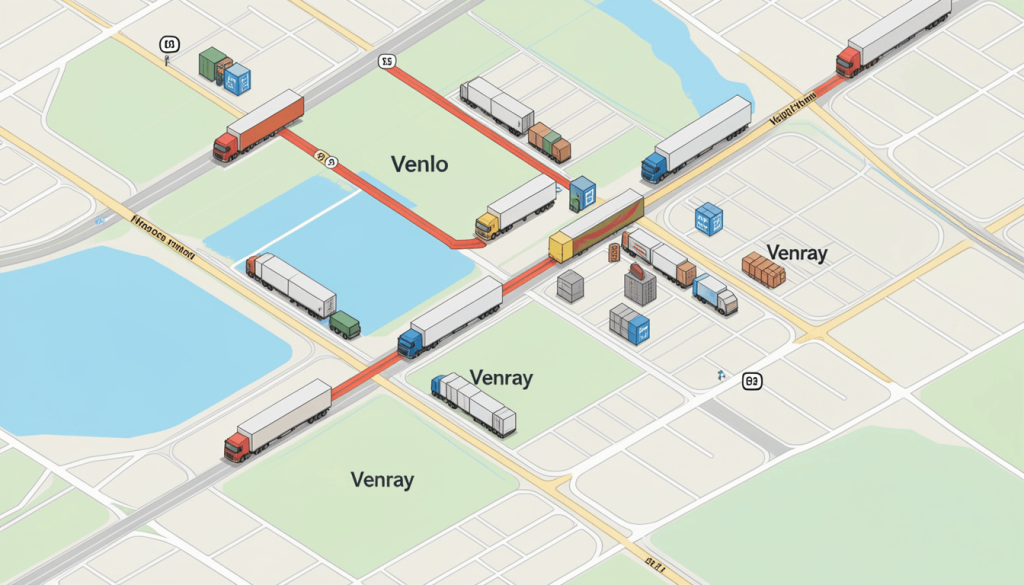
In the last decade, the geography of logistics in the Netherlands and Europe has been steadily transforming. Once dominated by well-established hubs such as Amsterdam, Rotterdam, and the Randstad megaregion, occupier demand is increasingly shifting toward regional Dutch cities like Venlo, Tilburg-Waalwijk, Zwolle, and Almere. This evolution is not accidental; it reflects deeper structural forces […]

Wat ‘Future-Proof’ Logistieke Assets Vandaag Echt Betekenen voor Gebruikers

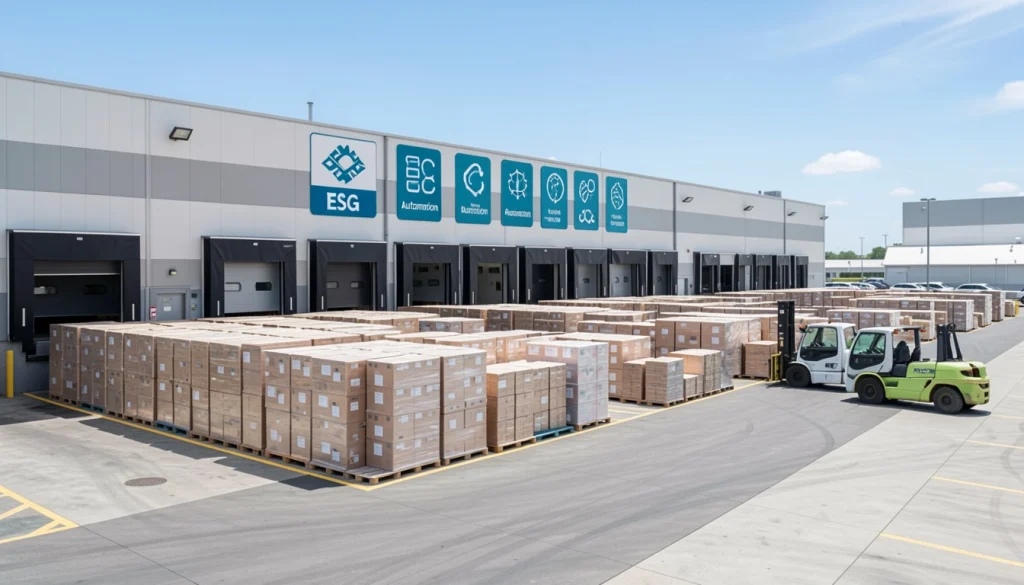
Across Europe, logistics occupiers are rethinking what it means to own and operate space in an increasingly complex supply chain environment. “Future-proof” logistics real estate is no longer a catchphrase; it reflects a set of physical, operational, financial, and environmental attributes that position assets to endure disruption, support evolving supply chain models, and deliver long-term […]

Waarom Sale & Leaseback Wordt Ingezet om Niet-Kern Logistieke Assets Af te Stoten

Across Europe’s logistics real estate landscape, ownership is no longer viewed as a default advantage. Instead, capital efficiency, flexibility, and balance-sheet optimisation are becoming decisive priorities. As a result, sale & leaseback has emerged as a preferred strategy for corporates looking to exit non-core logistics assets without disrupting operations. In markets such as the Netherlands, […]

Waarom lease flexibiliteit nu belangrijker is dan huur voor Nederlandse gebruikers

In the evolving landscape of logistics real estate, rent per square meter is no longer the dominant decision criterion for occupiers in the Netherlands. Today, shaped by supply chain complexity, regulatory pressures, urbanisation, and capital constraints, lease flexibility has risen to the forefront of occupier priorities. For firms operating distribution, fulfillment and supply chain infrastructure, […]

Hoe Nederlandse stikstof regelgeving de haalbaarheid van industriële en logistieke ontwikkelingen verandert

The Netherlands has long been a powerhouse of industrial and logistics activity in Europe, thanks to its strategic geography, advanced infrastructure, and deep connections to European supply chains. However, in recent years a regulatory force rooted in environmental protection has begun to reshape the feasibility landscape for new logistics and industrial development: nitrogen regulations. Originally […]

Het Strategische Belang van Schiphol en Regionale Luchthavens voor High-Velocity Logistieke Operaties

In the evolving world of global supply chains, logistics infrastructure has moved far beyond its traditional role as a passive support function. Today, it is a strategic value driver for multinational occupiers, institutional investors, and long-term asset owners, directly influencing speed to market, cost efficiency, resilience, and competitive advantage. As supply chains become more time-sensitive […]

Hoe Nederlandse Netcongestie het Ontwerp van Magazijnen en Locatiekeuze Beïnvloedt

The Netherlands has long been one of Europe’s most important logistics hubs, underpinned by world-class ports, airports, inland waterways, and road networks, as well as a highly efficient and transparent real estate market. Its central location within Europe, combined with advanced infrastructure and a strong trade-driven economy, has made the country a natural gateway for […]

De Opkomst van Logistieke Campussen als Vervanging van Single-Asset Investeringen

Across Europe, the logistics real estate landscape is undergoing a structural transformation. For decades, the dominant mindset was simple: large single‑tenant “big‑box” warehouses: big, standalone buildings leased to one tenant formed the backbone of distribution networks. But rising occupier expectations, tighter land supply, changing supply chain models, and investor preferences are driving a shift toward […]