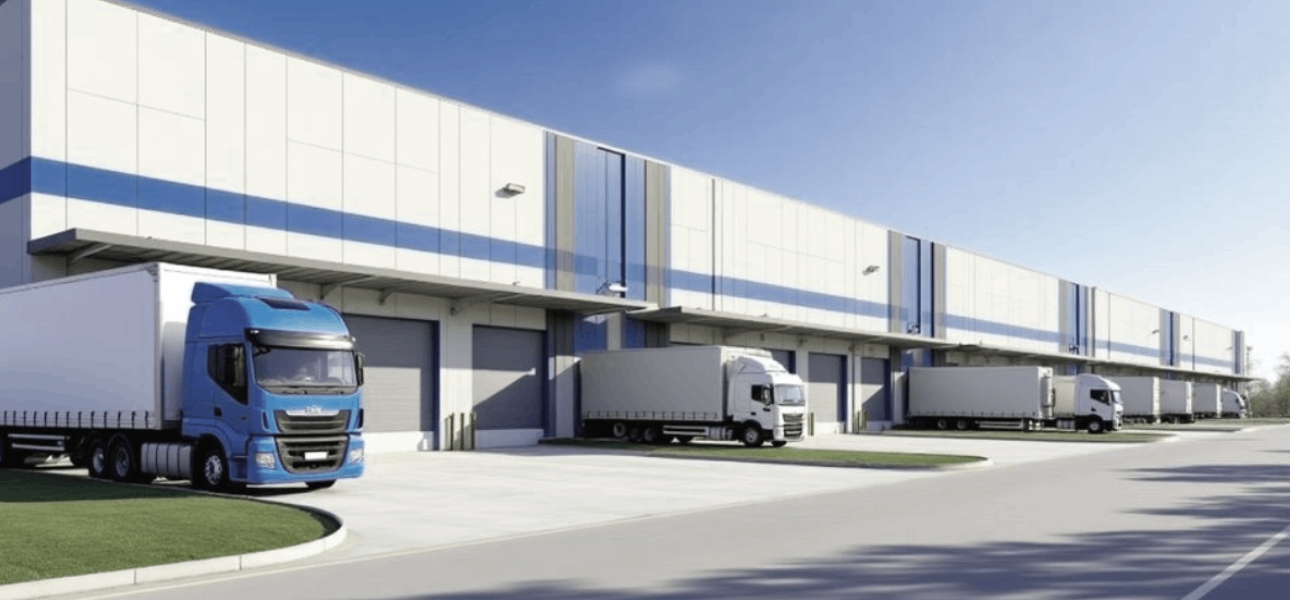
For years, Europe’s logistics real estate market revolved around the traditional “big-box” model – large, single-tenant warehouses located on inexpensive land outside major cities. These assets offered scale, predictable rents, and operational uniformity. But in 2025, the logistics landscape looks dramatically different. Changing consumer behaviour, rising e-commerce penetration, sustainability pressures, urban land shortages, and occupier diversification are reshaping how the logistics ecosystem operates.
As a result, multi-let and multi-user logistics assets are becoming one of the most important asset classes across Europe, with the Netherlands leading the shift. These assets offer flexibility, risk diversification, and urban proximity which the modern occupiers value most.Why Big-Box Warehousing Is Losing Its Dominance
Big-box warehouses still matter for bulk storage and national distribution, but they no longer meet the full spectrum of logistics needs. Several forces are driving the limitations of the traditional model.
- Last-Mile Delivery Is Becoming the Center of Gravity
The rise of same-day and next-day delivery has pushed logistics networks closer to consumers, meaning occupiers increasingly need smaller, well-connected, urban or peri-urban facilities rather than large, distant boxes.
Companies are diversifying their distribution models by establishing multiple smaller facilities to reduce disruption risks, improve delivery speeds, and handle fluctuating volumes more efficiently.
In the Netherlands, one of Europe’s densest countries – scarce urban land and strict zoning policies make it difficult to develop or expand traditional large-format warehouses near major consumption hubs.
Why Multi-Let Logistics Assets Are Rising
Multi-let and multi-user logistics solutions address the gaps the big-box model cannot fill. Their rapid rise is tied to a combination of economic, regulatory, and operational factors.
- A Broader Tenant Mix Reduces Income Concentration Risk
- Small and Mid-Sized Businesses Are Driving Demand
- Municipalities Are Encouraging Compact Urban Logistics Models
- Multiple Tenants Support Higher Rental Growth Potential
Multi-let logistics parks allow owners to distribute occupancy risk across several tenants, creating more reliable rental income streams if one occupier relocates or downsizes.
Across Europe, SMEs, delivery companies, 3PLs, e-commerce sellers, grocery fulfilment operators, and specialised manufacturers increasingly need compact, flexible units ranging from 500–5,000 m² with short, adaptable lease terms.
European cities, including many in the Netherlands, are promoting logistics formats that align with low-emission zones, mixed-use environments, and reduced freight congestion making multi-user assets a natural fit.
Multi-let assets often benefit from staggered lease cycles, allowing landlords to capture rental uplifts when individual units are renewed or re-leased at changing market rates.
European Trends Accelerating the Shift
The transition toward multi-user logistics real estate aligns with broader European trends shaping the sector.
- Multi-Level Warehousing Is Becoming Mainstream Markets like the Netherlands, France, Germany, and Italy are experiencing increasing adoption of multi-storey logistics buildings, which help operators maximise efficiency on expensive, land-constrained urban sites.
- Occupiers Prioritise Operational Flexibility Over Long-Term Rigidity Businesses value assets that offer configurable layouts, shared loading areas, expansion potential, and leasing flexibility to adapt quickly to market fluctuations and e-commerce demand surges
- Sustainability Requirements Are Redefining Building Specifications
- Investors Are Looking for Resilient, High-Demand Sub-Asset Classes
New environmental standards across Europe are pushing developers toward energy-efficient buildings equipped with solar generation, EV charging, smart systems, and designs aligned with zero-emission distribution strategies.
Institutional investors increasingly prefer multi-let logistics due to the sector’s stable demand, low vacancy rates, diversified rental income, and strong alignment with e-commerce growth.
Why This Shift Is Especially Strong in the Netherlands
The Netherlands sits at the centre of Europe’s logistics transformation, supported by geographic positioning, infrastructure strength, and demographic density.
- High Population Density Intensifies Demand for Smaller Urban Units
Cities like Amsterdam, Rotterdam, Utrecht, and The Hague offer limited space, increasing the need for compact, well-located logistics hubs that support urban delivery networks.
- The Country’s Multimodal Logistics Backbone Encourages Distributed Networks
With world-class seaports, inland waterways, rail terminals, airports, and road networks, the Netherlands is ideal for multi-node logistics strategies that rely on multiple smaller facilities working together.
- Dutch Consumers Have One of the Highest E-Commerce Adoption Rates in Europe
Rising parcel volumes require logistics operators to prioritise speed, proximity, and efficient last-mile fulfilment, supporting strong demand for multi-user assets.
- Vacancy Rates for Small and Mid-Size Units Remain Exceptionally Low
Urban and near-urban logistics markets in the Netherlands continue to record some of Europe’s lowest vacancy rates, underscoring the mismatch between high demand and constrained supply
- Investors See Multi-User Assets as a Safer and Higher-Growth Bet
With scarce land, rising rents, and strong occupier diversity, Amsterdam and nearby logistics corridors attract significant institutional interest in multi-tenant estates and mixed-use industrial developments.
What Occupiers Prioritise in Multi-User Logistics Assets
Modern occupiers in Dutch and European markets are looking for facilities that offer
- Proximity to major consumption centres so delivery times can be reduced and last-mile routes optimised
- Flexible and modular layouts that support automation, seasonal volume changes, and operational reconfiguration
- Shared infrastructure such as loading docks, security, break areas, and yard space that lowers operational costs
- Sustainability features like EV charging, solar power, and energy-efficient systems that align with corporate ESG goals
- Lease terms that provide scalability without long-term commitment risks, especially for fast-growing businesses
What Owners & Investors Look For in Multi-Let Assets
Owners and investors evaluating multi-user logistics real estate increasingly focus on:
- Diversified income streams that remain stable even when market cycles shift or one tenant vacates
- Redevelopment and intensification potential on high-demand urban or semi-urban sites where land is scarce
- Capability to integrate ESG technologies that enhance long-term asset value and meet regulatory standards
- Strong alignment with municipal zoning policies that favour compact, multi-user industrial solutions
- Tenant retention opportunities driven by shared amenities, location benefits, and operational efficiency
Multi-Let Logistics Becomes Europe’s New Core Asset Class
The shift is already visible across the Netherlands and the wider European market. As cities become denser, consumers demand faster deliveries, and sustainability pressures reshape distribution models, multi-user logistics assets will increasingly outpace big-box facilities in both demand and strategic relevance.
The multi-let segment is no longer niche, it is becoming a core building block of Europe’s modern logistics infrastructure.
RE’s Role in Supporting Logistics Real Estate Growth
RENEW Real Estate (RRE) focuses on industrial and logistics real assets across the Netherlands. RRE deploys capital through:
- Sale & leaseback transactions enabling occupiers to unlock liquidity while retaining operational control
- Strategic property acquisitions across high-demand logistics corridors
- Development projects that deliver well-located, future-ready industrial and logistics facilities
By investing in logistics assets across the Dutch market including last-mile, multi-user, and modern distribution formats, RRE supports owners, occupiers, and institutional investors in accessing high-quality, well-located logistics opportunities.