In today’s evolving logistics real estate market, businesses are increasingly seeking ways to unlock capital while maintaining uninterrupted operations. One of the most effective strategies is a sale and leaseback, where a company sells its owned property and leases it back under a secure long-term agreement.
This structure enables occupiers to release capital tied up in real estate while continuing to operate from the same facility. It also creates opportunities for long-term capital to be deployed into established logistics assets with secure income and ongoing operational relevance.
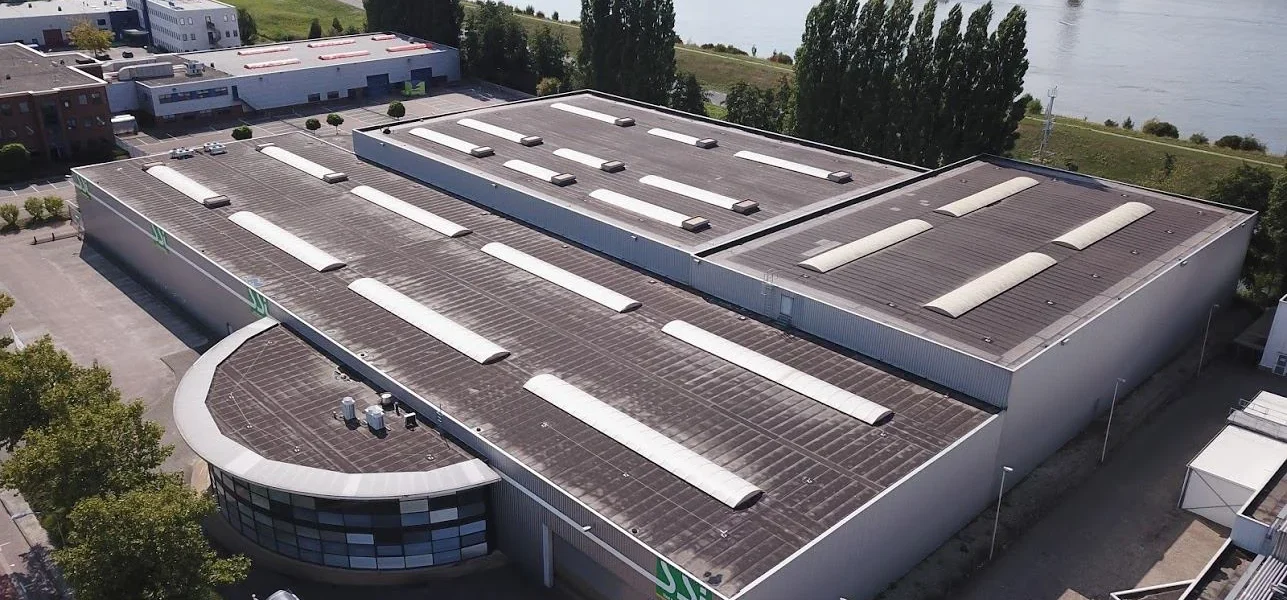
A strong example of this model is RENEW Real Estate’s completed acquisition of a modern warehouse facility in the Greater Rotterdam Area. The transaction demonstrates RRE’s expertise in identifying and executing high-quality logistics real estate opportunities in strategic European markets.
Greater Rotterdam: A Prime Logistics Market
The Greater Rotterdam region remains one of Europe’s most important hubs for trade, distribution, and supply chain activity. With direct access to ports, highways, inland waterways, and major European consumer markets, the region continues to support strong occupier demand and long-term industrial activity.
The acquired asset included:
- Approx. 12,000 m² freehold site
- Approx. 8,000 m² warehouse space
- Approx. 2,200 m² Industrial Outdoor Storage (IOS)
- 4 loading doors
- Clear internal height up to 10.5 metres
- Newly secured 10-year triple-net lease
- Transaction volume of approximately €8M
These fundamentals made the property a compelling logistics asset acquisition opportunity, combining operational functionality with durable long-term income.
Why Sale and Leaseback Continues to Grow
Across Europe, owner-occupiers are increasingly using sale and leaseback structures to improve liquidity and strengthen balance sheet efficiency.
Rather than holding significant capital in owned real estate, businesses can redeploy funds into:
- Operational expansion
- Warehouse automation
- Fleet investment
- Technology upgrades
- Working capital enhancement
- Debt optimization
For occupiers, the model provides financial flexibility without relocation risk while allowing uninterrupted operations at the same site.
Why Rotterdam Remains Strategically Important
Rotterdam remains one of Europe’s most resilient logistics markets due to its infrastructure quality, connectivity, and depth of occupier demand.
Key strengths include:
- Access to the Port of Rotterdam, Europe’s largest seaport
- Strong motorway and multimodal transport links
- Efficient routes into Germany, Belgium, and wider Europe
- Consistent demand for warehouse and industrial space
- Limited supply of modern logistics stock in prime locations
- Long-term growth supported by trade and e-commerce trends
These factors continue to support the long-term value of well-located logistics assets.
How RENEW Real Estate Executed the Transaction
The Greater Rotterdam project reflects RRE’s focused approach to logistics real estate opportunities.
Disciplined Asset Selection
The property aligned with key acquisition criteria, including:
- Strategic location
- Functional warehouse layout
- Modern specifications
- Long-term occupier relevance
- Strong residual land value potential
Secure Long-Term Lease Structure
A key feature of the transaction was the newly agreed 10-year triple-net lease.
Under this structure, the occupier remains responsible for many operating costs such as maintenance, insurance, and taxes. This helps create stronger income visibility and reduced operational complexity over the lease term.
Efficient Transaction Execution
In sale and leaseback transactions, timing is often critical. Businesses may seek rapid capital release for expansion, refinancing, or restructuring. RRE’s transaction-led approach supported speed, certainty, and efficient execution.
Positioned for Future Logistics Demand
While the Greater Rotterdam transaction involved an existing warehouse acquisition, the wider Dutch market continues to evolve.
Occupiers increasingly require facilities aligned with:
- Automation systems
- ESG compliance
- Energy efficiency
- Specialized supply chain operations
- Modern loading and storage capabilities
This creates continued opportunity across:
- Existing warehouse acquisitions
- Sale and leaseback transactions Redevelopment projects
- Built to suit developments
- Next-generation distribution hubs
RRE’s experience across acquisitions and development-backed strategies supports long-term participation in the sector.
Value Created Through the Transaction
For the Occupier
- Immediate capital release
- Continued use of the facility
- No relocation disruption
- Improved liquidity
- Greater focus on core operations
For the Transaction
- Long-term leased income profile
- Strategic Rotterdam location
- Strong operational specifications
- Durable market relevance
For the Market
- Supports business reinvestment
- Strengthens supply chain continuity
- Promotes efficient reuse of strategic industrial assets
What This Means for the Dutch Logistics Real Estate Market
The Netherlands remains one of Europe’s most attractive markets for logistics real estate due to its strategic geography, infrastructure quality, and business-friendly environment.
Transactions such as the Greater Rotterdam acquisition demonstrate how sale and leaseback structures can unlock capital for businesses while preserving continuity of operations.
Combined with continued momentum built to suit developments and modern industrial assets, the Dutch logistics market remains strategically important.
The Greater Rotterdam project is a strong example of how RENEW Real Estate creates value through disciplined acquisition strategy and effective execution in logistics real estate.
By combining:
- Deep sector expertise
- Strong market insight
- Selective acquisition discipline
- Capability across logistics and industrial assets
- Execution certainty
RRE completed a transaction that created value for all parties involved.
For businesses across the Netherlands, it also highlights how owned real estate can become a source of liquidity, flexibility, and future growth while remaining fully operational in place.